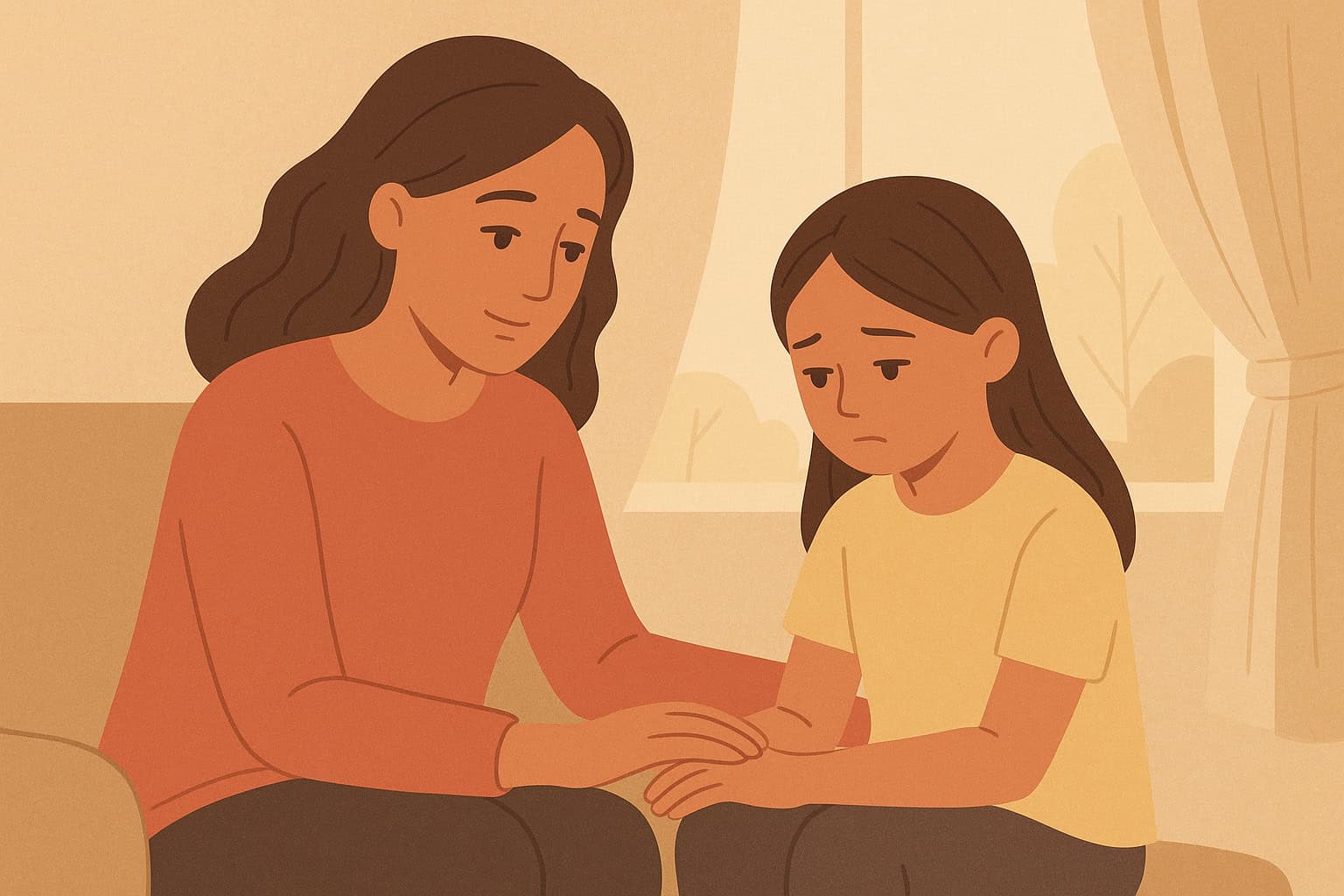
Losing a loved one is never easy, and for children, grief can be especially confusing and overwhelming. As adults, we may feel the urge to protect children from pain, but shielding them completely from death can actually create more fear and uncertainty. With compassion, honesty, and presence, parents and caregivers can focus on explaining death to children in ways that are simple, supportive, and healing.
Explaining Death to Children with Honest, Simple Language
Children need clear explanations. Euphemisms like “passed away” or “went to sleep” can cause confusion or even fear. Instead, use gentle but honest language: “Grandpa died. His body stopped working, and he can’t come back.” Simple, truthful words help children understand the reality of death without unnecessary anxiety. This direct approach makes explaining death to children less frightening and more supportive.
Answering Questions When Explaining Death to Children
Children may ask the same questions repeatedly. This is normal—it helps them process. Answer with patience and honesty, even if you don’t have all the answers. It’s okay to say, “I don’t know, but we can wonder about it together.” Inviting questions reassures them that their feelings and curiosity are safe. For additional guidance, the National Alliance for Children’s Grief provides excellent resources for families.
Helping Children with Grief by Validating Emotions
Children express grief differently than adults. Some may cry, while others may play as if nothing happened. Both responses are natural. Reassure them that all feelings—sadness, anger, confusion, even laughter—are okay. Let them know you are there to listen whenever they’re ready. Families can also explore supportive options through our End-of-Life Doula Support Services.
Rituals of Remembrance for Children and Grief
Rituals provide comfort and structure in times of loss. Involve children in age-appropriate ways, such as lighting a candle, drawing a picture, writing a letter, or attending the funeral. These small acts give children a sense of connection and a healthy way to express their grief. At Eleison Doula Services, we often encourage families to create simple rituals of remembrance that honor both the child’s grief and the memory of their loved one.
Maintaining Routines While Supporting Grieving Children
Stability helps children feel safe. Keep daily routines like mealtimes, bedtime, and school schedules as consistent as possible. Predictability offers comfort when their inner world feels shaken.
Modeling Healthy Grieving for Children
Children watch how adults respond to loss. Share your own emotions openly: “I’m crying because I miss Grandma.” When children see that it’s okay to feel sad and still move forward, they learn resilience and emotional honesty.
When to Seek Extra Grief Support for Children
Sometimes a child may need additional help coping with grief. Look for signs such as ongoing sleep troubles, changes in appetite, withdrawal from friends, or prolonged anger. In these cases, a grief counselor, therapist, or support group for children may provide comfort and tools for healing. Organizations such as The Kids Mental Health Foundation and pediatric support groups can also offer resources.
Final Thoughts
Guiding children through death requires patience, honesty, and love. By creating safe spaces for questions, emotions, and remembrance, and by focusing on helping children with grief, we can support young hearts in growing through loss rather than fearing it. Death is a part of life, and with gentle guidance, children can learn to honor memories while finding hope for the future.

Nicholas Bailey is an end-of-life doula based in Alabama who offers reverence, compassion, and spiritual grounding to the families he serves. Inspired by his mother’s brief journey with cancer, he pursued end-of-life care to help others find peace and dignity in their final days. With experience supporting seniors, guiding families through postmortem practices, and serving in a church burial society, Nicholas brings both practical knowledge and a comforting presence. Rooted in his Orthodox Christian faith and service as a Subdeacon, he creates sacred spaces for transition—helping families embrace death with love, memory, and acceptance. Learn more about Nicholas here, and explore his end-of-life doula support services.
Leave a Reply